

SCHOLARSHIP APPLICATION: (Deadline: APRIL 30th, 2027)
Please ensure all fields are filled in completely.To view previous winner: Click Here
(IF YOU HAVE ANY QUESTIONS, PLEASE EMAIL THE PROGRAM ADMINISTRATOR AT RYAN@STUDENTSCHOLARSHIPS.ORG)
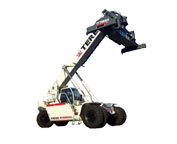
Container Forklift Attachment
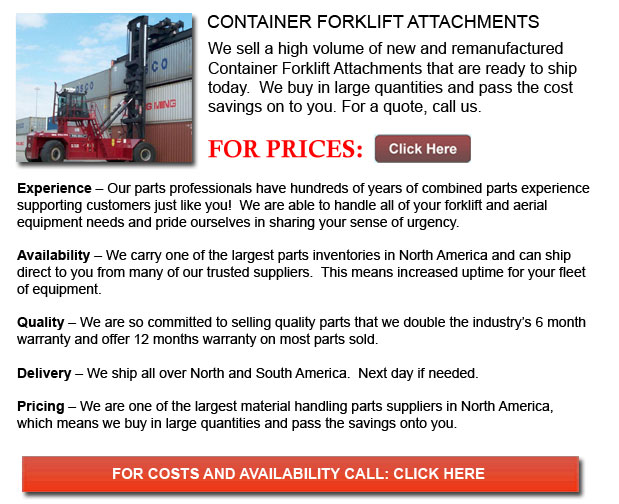

Container Forklift Attachments - Forming the basis of containerization, shipping containers are part of a transport system based upon using steel intermodal containers (shipping containers). These containers are built to certain standard dimensions that can be transported and stacked, loaded and unloaded with optimum efficiency over long distances. Shipping containers are normally transported by ships, rail and semi-trailer trucks without being opened.
The containerization system was developed following WWII to be able to really lessen transport expenses. These shipping containers also supported a huge increase in the international trade alliances. Today, for example, around 90 percent of non-bulk cargo is transported internationally by containers that are stacked on transport ships. It is estimated that 26 percent of all container trans-shipment occurs in China. There are huge ships that can carry over 14,500 units.
At the start, few foresaw the extent of the influence that containerization will bring to the shipping industry. Benjamin Chinitz, a Harvard University economist predicted during the nineteen fifties that containerization would benefit New York by allowing it to ship its industrial products more cost effectively to the Southern USA than other areas can. He did not anticipate that containerization will likewise make it more inexpensive to import such products from abroad.
Of the economic studies on containerization, most assumed that the shipping organizations would soon begin to replace older kinds of transportation with the container systems. The studies did not predict that the process of containerization itself will lead to a more direct impact on the variety of producers, along with increasing the overall volume of trade all around the world.
Containerization offers one vital advantage which is improved cargo security. The cargo is less likely to be stolen since all the goods is not visible to the casual viewer. Usually, the doors of the containers are sealed and this means that whatever signs of tampering are more evident. There are lots of containers that are equipped with high-tech electronic monitoring devices. These could be remotely monitored to detect changes in air pressure. This detection happens when the doors are opened. These monitoring devices have reduced the "falling off the truck" syndrome that long plagued the shipping business.
There used to be some difficulty with incompatible rail gauge sizes in various nations. Use of the same basic sizes of containers worldwide has lessened the problems which used to often occur. Now, the majority of rail networks across the world operate on a 1435 mm gauge track. This is considered to be the standard gauge, though, many nations utilize broader gauges. Various countries in South America and Africa make use of narrower gauges on their networks. All of these countries depend on container trains that makes trans-shipment between various gauge trains a lot easier.
Click to Download the PDF
Forklift Parts



TOLL FREE: 1-888-695-7994
Red Deer, Alberta
forkliftpartsreddeer.ca
Email Us
About Us